
Have you ever felt that overwhelming mixture of pure relief and sudden panic when the doctor says, "It’s time to go home"? For many families here in Houston, that moment is a milestone, it means your loved one is stable enough to leave the clinical hum of the hospital. But as soon as you step out of those sliding glass doors, the weight of responsibility can feel incredibly heavy. How will you manage the medications? What if they fall? Is the house even ready for them?
At Godly Hearts Home Healthcare Agency LLC, we’ve witnessed this transition hundreds of times. We understand that the drive home from the Texas Medical Center or your local community hospital is often filled with more questions than answers. You want the best for your family, but you aren’t a trained nurse or a physical therapist. The good news? You don’t have to be.
Transitioning safely is a process, not a single event. It’s about building a bridge between the intensive care of a hospital and the comfort of a living room. We’ve put together this easy guide to help you navigate those first few critical days and weeks, ensuring your loved one doesn’t just return home, they thrive there.
1. Start Discharge Planning Before the Bags are Packed
Most people think discharge planning starts an hour before you leave. In reality, the most successful transitions begin the moment a patient is admitted. We always encourage our clients to start asking the "home questions" early.
A safe transition requires a personalized care plan that looks at the full picture, not just the diagnosis, but the person behind it. What does their home environment look like? Are there stairs? Is the bathroom accessible? During our initial assessments at Godly Hearts Home Healthcare Agency LLC, we look at these physical factors alongside the medical ones.
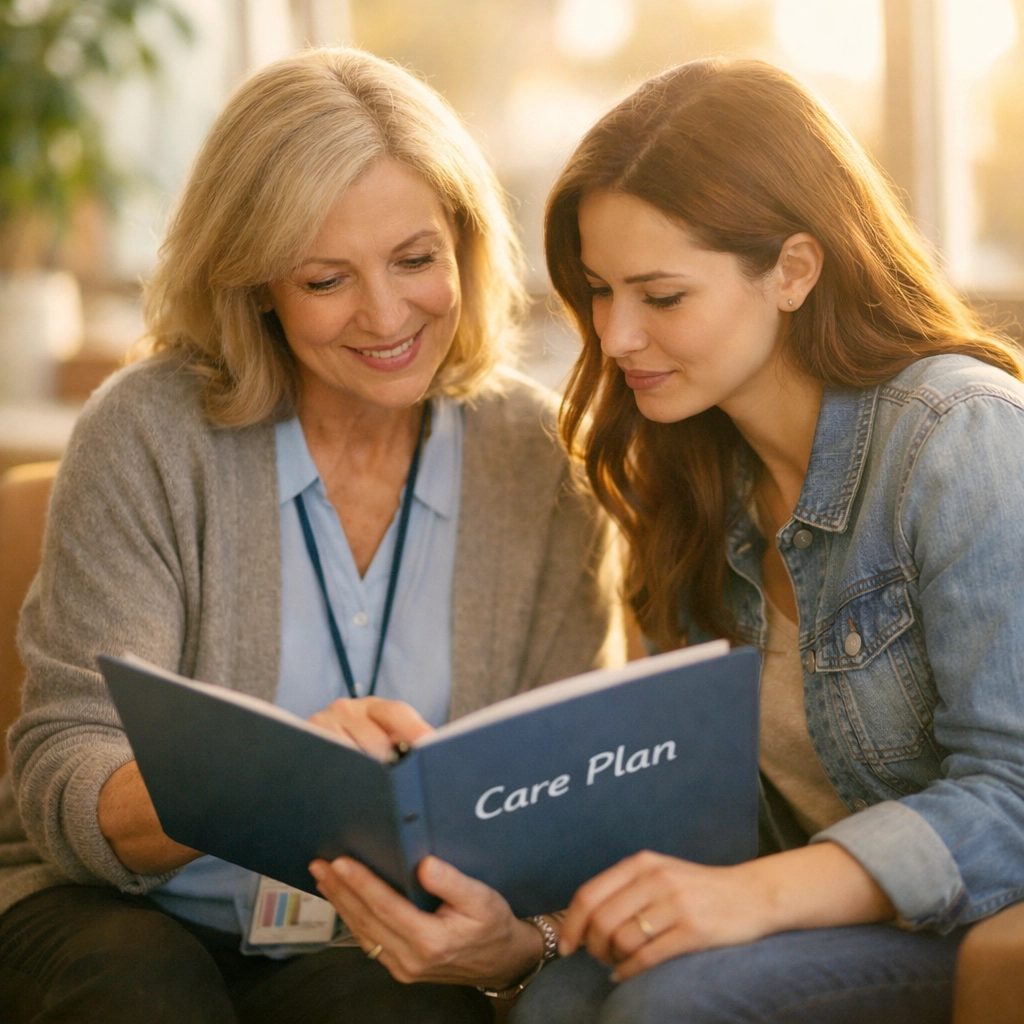
We suggest sitting down with the hospital social worker or discharge planner and being very honest about what you can and cannot handle. It’s okay to say, "I can’t lift my husband by myself," or "I’m worried about managing these IV lines." Acknowledging these hurdles is the first step toward finding solutions, whether that means home modifications or bringing in professional help to bridge the gap.
2. Master the Medication Maze
If there is one thing that causes the most stress, and the most hospital readmissions, it’s medication management. In the hospital, everything is timed and tracked by machines and professionals. At home, it’s a kitchen table covered in orange bottles and complex instructions.
Request a detailed, written list of every medication, including what it’s for, how often it’s taken, and, this is the big one, which old medications should be stopped. Often, new prescriptions are meant to replace old ones, but if that isn't clear, a loved one might end up taking both, which can be dangerous.
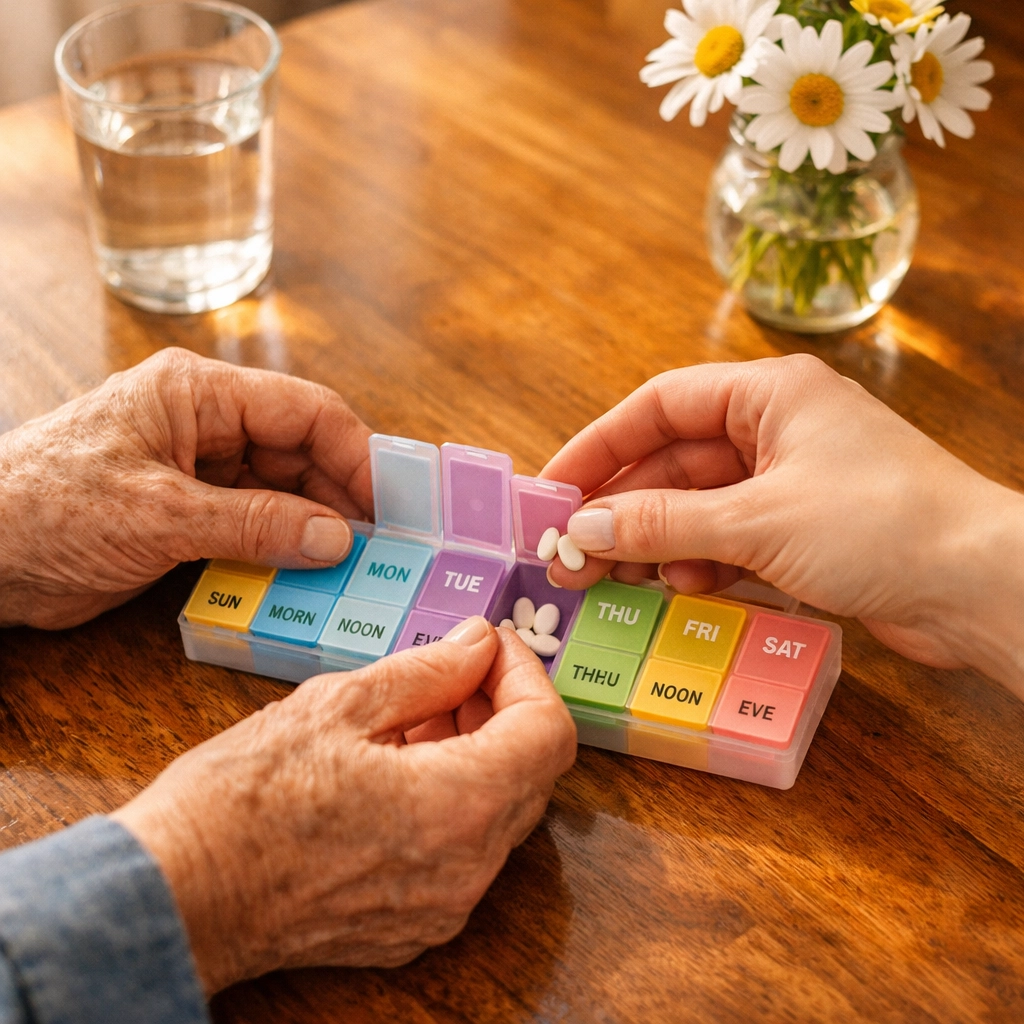
For families who feel overwhelmed by this, our private duty nursing services can make all the difference. Having a professional eye to organize pillboxes, monitor for side effects, and coordinate with the pharmacy transforms a source of anxiety into a routine that fosters healing. We’ve seen the "peace of mind" that washes over a daughter when she realizes she doesn't have to be the one second-guessing a dosage, she can just be a daughter again.
3. Schedule the "Next Steps" Immediately
The first 72 hours after leaving the hospital are the most critical. This is when complications are most likely to pop up. Before you even leave the hospital parking lot, make sure you have follow-up appointments scheduled with primary care physicians or specialists.
But scheduling is only half the battle; getting there is the other half. For many Houston families, navigating traffic while your loved one is in pain or fatigued is a daunting task. This is where professional support shines. We often assist with the logistics of these "next steps," ensuring that instructions from the doctor aren't just heard, but followed through at home. These appointments are the safety net that catches small issues before they become big emergencies.
4. Arrange Support for the "Little" Things That Are Actually Big Things
Recovery isn't just about medicine; it's about movement, nutrition, and dignity. When someone is recovering from surgery or a long illness, simple tasks like making a sandwich, taking a shower, or even just getting to the mailbox can feel like climbing Mount Everest.
This is where non-skilled services play a vital role. Nutrition management is a cornerstone of recovery. If a body isn't fueled properly, it won't heal. We focus on ensuring our clients have healthy, appetizing meals and a clean, safe environment to recover in.
We also believe in the power of companionship. Isolation is a silent enemy of recovery. Sometimes, the most important "care" a person receives is a conversation over a cup of tea or a steady arm to lean on during a walk in the garden. We’ve seen how this emotional support changes everything, fostering a sense of hope and independence that medicine alone cannot provide.

In some cases, families look for a more holistic approach to recovery. We respect and support the diverse ways our community heals.
Eleve Harmonics serves as a resource and referral platform designed to connect individuals with independent alternative and integrative health practitioners. We do not provide medical, psychological, or therapeutic treatment directly. Our role is strictly limited to providing information and facilitating connections between clients and third-party practitioners. We do not endorse, supervise, or take responsibility for the services, advice, or treatments provided by any practitioner within our network. All practitioners are independent professionals who maintain their own practices and professional standards. Users are encouraged to conduct their own due diligence and consult with a qualified healthcare professional before beginning any new health or wellness regimen.
If you are interested in exploring these alternative paths alongside traditional home care, we are here to help facilitate those connections within the Houston community.
5. Establish a "Circle of Care" and Constant Monitoring
A safe transition isn't a "one and done" checklist, it’s an ongoing conversation. Your loved one’s needs will change as they get stronger. The care plan that worked on Day 1 might need to be adjusted by Day 10.
We encourage families to create a "Circle of Care", a group that includes family members, doctors, and your home health team. Communication is the glue that holds this circle together. We pride ourselves on being the "eyes and ears" in the home. Our caregivers are trained to watch for subtle warning signs, a slight change in appetite, a bit more confusion than usual, or a new redness near a surgical site.

By catching these small shifts early and communicating them quickly to the family and medical team, we prevent the "revolving door" of hospital readmissions. This level of vigilance nurtures a sense of security. It allows the patient to focus on their recovery and allows the family to breathe, knowing that their loved one is being watched over with compassion and professional expertise.
The Choice of Home
Choosing to bring a loved one home is a decision rooted in love and the belief that home is the best place for healing. It is a place of familiarity, comfort, and personal history, a place where dignity blossoms. But we also acknowledge the weight of that decision. It requires a deep trust in the caregiver, in the care plan, and in the agency you choose to partner with.
At Godly Hearts Home Healthcare Agency LLC, we don’t just perform tasks; we build relationships. We see the full person, their history, their preferences, and their dreams for recovery, not just their care needs. We are constantly growing and evolving our approach because we believe the families of Houston deserve care that is as dynamic as they are.
If you are facing an upcoming discharge or are currently struggling to manage a transition at home, please know that you don't have to navigate this alone. We invite you to reach out to us for a conversation. Let’s talk about your specific needs, your fears, and how we can work together to create a safe, nurturing environment for your loved one.
Whether you need the clinical expertise of a nurse or the warm heart of a companion, we are here to ensure that "coming home" is the beginning of a beautiful new chapter in recovery.
Ready to create a safe transition plan? Contact us today to schedule a consultation and see how we can bring peace of mind to your family. We also invite you to read what other Houston families have to say about their experiences on our testimonials page.
Together, we can make home the healthiest place to be.